Skip to content
If you are planning a landscaping project this year, understanding the 2025 landscaping costs is one of the most essential steps in preparing your budget. With material prices, labor rates, and design trends evolving across the industry, homeowners often ask: “How much will landscaping cost in 2025?”
This updated guide provides clear, practical, and expert-backed insights to help you set realistic expectations before hiring a landscaping contractor. Whether you are considering a minor refresh or planning a complete outdoor transformation, this breakdown explains the factors that affect pricing, the typical costs of different services, and how to get an accurate landscaping estimate based on your project needs.
Let’s take a closer look at what all goes into calculating basic landscape expenses:
Understanding Landscaping Costs in 2025
In 2025, understanding these costs is more important than ever, as prices continue to fluctuate based on project size, design complexity, and material choices. Homeowners should expect higher labor costs due to growing demand for skilled trades and rising prices for stone, lumber, and specialty plants.

At the same time, sustainable and water‑efficient designs are increasingly popular, adding both value and long‑term savings but sometimes raising upfront costs. Outdoor living spaces, such as patios and kitchens, are also driving investment, making overall budgets slightly higher than in previous years.
A reliable landscaping company can guide you through these variables, working closely with you to tailor plans that fit your landscape while clarifying each expense, ensuring realistic expectations and fewer surprises during the process.
AverageLandscaping Cost in 2025

When planning outdoor upgrades in 2025, homeowners often start with a landscaping estimate to set realistic expectations. Minor improvements, such as sod installation or basic plantings, usually range from $1,500 to $5,000, while mid‑level projects, like patios, irrigation systems, or larger plant selections, fall between $8,000 and $25,000.
Full-yard transformations, especially those with premium stonework, outdoor kitchens, or complex hardscaping, can exceed $30,000 and reach $75,000 or more. These averages include design, labor, and materials, helping property owners budget wisely for lasting curb appeal.
Breakdown of LandscapingExpenses by Service
To answer one of the common questions from homeowners, which is, “How much will landscaping cost?”, below is a general overview of what homeowners can expect to pay for common landscaping services in 2025.
| Service Type | Typical Cost Range (2025) |
| Design & Planning | $500 – $5,000+ |
| Lawn Installation (Sod/Seed) | $1 – $3 per sq. ft. (seed) / $3 – $8 per sq. ft. (sod) |
| Hardscaping (Patios, Walkways, Walls) | $15 – $60+ per sq. ft. |
| Planting, Trees & Shrubs | $25 – $3,000+ per plant/tree |
| Irrigation Systems | $2,000 – $8,000 |
| Cleanups, Mulching & Maintenance | $200 – $5,000+ depending on frequency |
Landscaping Costby Project Type
Landscaping prices can vary widely depending on the type of project you’re planning, the size of your outdoor space, and the level of customization involved.
Basic Landscaping
Basic landscaping is ideal for homeowners wanting a simple refresh without major construction. It often includes lawn care, planting essentials, mulch installation, edging, and other light enhancements. In 2025, these projects typically range from $1,500 to $8,000, depending on plant selection, labor requirements, and yard size. This option is perfect for boosting curb appeal with minimal investment.
Full Yard Makeover
A full yard makeover offers a complete transformation of your outdoor space. These projects may include patios, walkways, outdoor lighting, sod installation, irrigation upgrades, and complete landscape design. In 2025, costs generally range from $30,000 to $75,000+, with higher pricing for custom features such as outdoor kitchens, fire pits, retaining walls, and premium stonework. This type of project delivers a truly personalized outdoor living environment.
Front Yard vs. Backyard LandscapingExpenses
Front yard landscaping is often more affordable because the space is typically smaller and design elements tend to be simpler. Backyards, however, usually include entertainment areas, patios, seating zones, or family-friendly features, which can increase complexity and cost. In most cases, backyard landscaping is 20–50% more expensive than front-yard landscaping due to additional materials and labor.
Eco-Friendly & Xeriscape Landscaping Costs
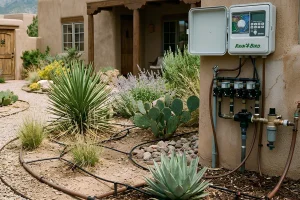
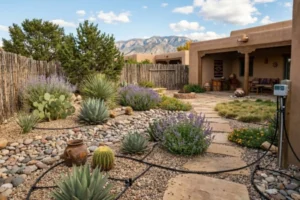
Eco-friendly, xeriscape landscaping continues to grow in popularity, especially among homeowners seeking low-maintenance, water-efficient outdoor spaces. These projects usually cost $10,000–$40,000+ in 2025, depending on native plant selections, gravel or rock installation, irrigation modifications, and soil preparation. While upfront costs can vary, xeriscaping significantly reduces water use and long-term maintenance costs.
Hiring a Landscaping Contractor vs. DIY
Choosing between DIY work and hiring a landscaping contractor often depends on your experience, available time, and the complexity of the project. A professional provides design expertise, accurate budgeting, and higher-quality installation using durable, professional-grade materials.
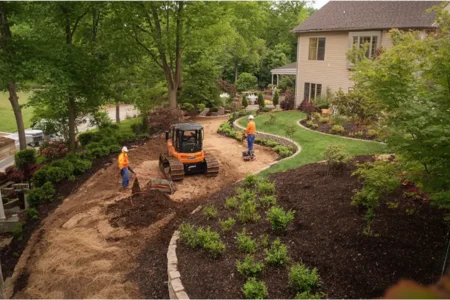
While DIY can save money on simple gardening tasks, larger projects involving grading, drainage, stonework, or irrigation are best left to a reliable landscaping company to build your confidence in a successful, trouble-free outcome and prevent costly mistakes.
How to Get an Accurate LandscapingPrice Estimate
Getting an accurate landscaping cost estimate in 2025 requires careful planning, clear communication, and an upfront understanding of project details.
What Contractors Include in an Estimate
Professional landscapers typically outline design fees, labor charges, material costs, and installation expenses. Estimates may also include permits, equipment rentals, and disposal fees. Reviewing these helps homeownerspfeel assuredmaboutderstand how funds are a,afostering trusthand understandingtofbutes to the overall project budget.
Questions to Ask Before Hiring a Landscaper
Before hiring, ask contractors about experience, timelines, warranties, and whether they provide itemized estimates. Clarify payment schedules, subcontractor involvement, and insurance coverage. These questions help you evaluate professionalism, avoid misunderstandings, and ensure the contractor aligns with your expectations, ultimately leading to a smoother project and a more reliable cost estimate.
How to Avoid Unexpected LandscapePrices
Unexpected costs often arise from scope changes, hidden site issues, or upgrades to premium materials. To avoid surprises, request detailed contracts, confirm inclusions, and discuss contingency allowances. Regular communication with your contractor ensures adjustments are managed proactively, keeping the project within budget while still achieving your landscaping goals.
Ways to Save Money on Landscapingin 2025
Thoughtful planning and creative choices enable homeowners to save on landscaping expenses without sacrificing quality or long-term value.
Best Budget-Friendly LandscapingIdeas
Affordable landscaping ideas include using native plants, installing mulch for weed control, and creating DIY garden beds. Simple upgrades, such as gravel pathways or container gardens, add charm without high costs. These strategies maximize impact while keeping expenses manageable, making them ideal for homeowners seeking stylish yet budget-conscious solutions.
Seasonal Timing Tips for Easy Upkeep
Scheduling landscaping projects during off-peak seasons can reduce labor costs and material prices. Spring and fall often offer discounts, while winter planning ensures contractors are available. By strategically timing projects, homeowners can stretch their budgets further and secure better deals without compromising on quality or design.
Materials and Plants That Reduce Costs Long-Term
Choosing durable materials and low-maintenance plants reduces long-term expenses. Native species require less water and care, while composite decking or stone pathways last longer than cheaper alternatives. These investments may cost more initially but save money over time, offering both sustainability and financial efficiency for homeowners.
Final Thoughts on Landscape Cost Considerations
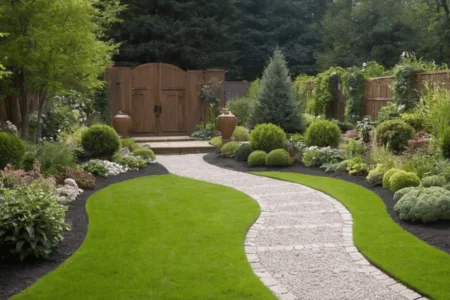
Understanding landscaping costs in 2025 helps homeowners plan confidently and avoid unexpected expenses. Whether you are updating your front yard, investing in a full backyard makeover, or adding water-efficient landscaping, knowing what influences pricing makes it easier to hire the right landscaping contractor and budget effectively.
Ready to transform your yard and enjoy the great outrdoors again with your family and friends?Contact our landscaping teamtoday for a free, accurate cost estimate!
Frequently Asked Questions
1. What factors influence landscaping costs in 2025?
Landscaping costs in 2025 are influenced by several factors, including project size, design complexity, and material choices. Labor rates are rising due to increased demand for skilled workers, while the prices of materials like stone and lumber are also fluctuating. Additionally, the trend towards sustainable and water-efficient designs can raise upfront costs but may offer long-term savings. Homeowners should consider these variables when budgeting for their landscaping projects to ensure they have a realistic financial plan.
2. How can I find a reliable landscaping contractor?
Finding a reliable landscaping contractor involves researching local companies, reading reviews, and asking for recommendations from friends or family. It’s essential to check their credentials, including licenses and insurance, and to request references from previous clients. When interviewing potential contractors, ask about their experience, project timelines, and whether they provide itemized estimates. A trustworthy contractor will be transparent about costs and willing to communicate openly throughout the project.
3. Are there financing options available for landscaping projects?
Yes, many homeowners explore financing options for landscaping projects, especially larger ones. Some landscaping companies offer financing plans or payment plans that allow you to spread the cost over time. Additionally, personal loans, home equity loans, or credit cards can be used to finance landscaping work. It’s important to compare interest rates and terms to find the best option that fits your budget and financial situation.
4. What are the benefits of eco-friendly landscaping?
Eco-friendly landscaping offers numerous benefits, including reduced water usage, lower maintenance costs, and enhanced biodiversity. By using native plants and sustainable materials, homeowners can create beautiful outdoor spaces that require less irrigation and care. Additionally, eco-friendly designs often improve soil health and reduce the need for chemical fertilizers and pesticides. This approach not only benefits the environment but can also increase property value and appeal to environmentally conscious buyers.
5. How can I maintain my landscape to avoid high costs?
Regular maintenance is key to avoiding high landscaping costs in the long run. Implementing a routine care schedule that includes mowing, pruning, and weeding can prevent larger issues from developing. Additionally, using mulch can help retain moisture and reduce weed growth, while seasonal planting can ensure your garden remains vibrant. Investing in quality materials and plants that require less upkeep will also save you money over time, making your landscape more sustainable and cost-effective.
6. What should I include in my landscaping budget?
Your landscaping budget should include all potential costs associated with the project. This includes design fees, materials, labor, and any additional expenses such as permits or equipment rentals. It’s also wise to set aside a contingency fund for unexpected costs that may arise during the project. By planning for these expenses, you can ensure that your budget is comprehensive and that you are prepared for any surprises along the way.
7. How do seasonal changes affect landscaping costs?
Seasonal changes can significantly impact landscaping costs. Typically, spring and fall are peak seasons for landscaping, leading to higher labor and material prices due to increased demand. Conversely, scheduling projects during the off-peak winter months may result in lower costs and better availability of contractors. Additionally, certain plants and materials may be more affordable during specific seasons, so timing your project strategically can help you save money while achieving your desired landscape design.