Skip to content
Seasonal lawn care in a high-desert climate doesn’t have to be complicated. Each season comes with its own challenges, from spring prep to summer heat and fall recovery. Knowing when to adjust watering, mowing, and upkeep makes a big difference. This guide walks you through what to focus on during each season so you can keep your lawn healthy, resilient, and looking good all year long.
Seasonal Lawn Care in Santa Fe Requires a High-Desert Approach

Santa Fe’s lawns demand specialized care due to the region’s arid climate. Seasonal adjustments ensure grass survives extreme heat, limited rainfall, and fluctuating conditions while conserving water effectively.
Understanding Santa Fe’s Climate Challenges
Santa Fe’s high desert climate creates unique lawn care challenges. With scorching summers, low humidity, and scarce rainfall, homeowners must adopt tailored strategies that prioritize resilience, water efficiency, and seasonal adjustments to keep grass thriving year round.
Why Traditional Lawn Care Advice Fails in High Desert Regions
Conventional lawn care methods often mislead homeowners in Santa Fe’s arid environment. Overwatering, shallow roots, and unsuitable grasses result from advice designed for wetter climates. Adapting with drought resistant turf and efficient irrigation helps ensure healthier, more sustainable lawns.
How a Lawn Maintenance Schedule Changes in a High Desert Environment
Santa Fe’s elevation and temperature extremes require flexible lawn maintenance schedules. Adjusting mowing, watering, and fertilization cycles ensures grass adapts to seasonal shifts while conserving resources.
Adjusting Care Cycles for Elevation and Temperature Extremes
High elevation and fluctuating temperatures require careful timing of lawn care. Mowing, watering, and fertilization must align with growth cycles to ensure grass remains resilient through seasonal extremes without wasting water or stressing roots.
Balancing Lawn Health with Water Conservation Requirements
Efficient watering keeps lawns healthy without wasting water. In Santa Fe’s dry climate, watering smarter matters more than watering more. Deep, infrequent irrigation builds stronger roots, while drought tolerant grasses and mulch reduce overall water demand.
Spring Lawn Care Schedule for Santa Fe Lawns
Spring is when lawn health is either strengthened or set back for the rest of the year. In Santa Fe’s high desert climate, early season care should focus on soil condition, root strength, and water efficiency before summer heat arrives.
A typical spring schedule includes soil testing to identify nutrient needs, core aeration to relieve compaction, and targeted fertilization based on actual deficiencies. Addressing these steps early helps grass establish deeper roots and better withstand seasonal temperature swings.
The goal is simple: prepare the lawn for heat and dryness before they become stress factors.
Soil Testing and Amendments for Alkaline Desert Soil
Santa Fe’s alkaline soils require testing and amendments to support healthy lawns. Adjusting the pH with sulfur and enriching the soil with compost ensures the grass receives the foundation it needs for vigorous spring growth.
Aeration and Fertilization Timing for High Desert Turf
Aeration in early spring followed by slow-release fertilization strengthens turf in Santa Fe’s climate. This timing promotes deep root growth, nutrient absorption, and resilience to summer heat and drought.
Summer Seasonal Lawn Care Strategies for Heat and Drought
Summer lawn care in Santa Fe is about stress management. As temperatures rise and rainfall drops, the focus shifts from growth to protection.
Raising mowing height helps shade roots and retain moisture, while watering deeply but less frequently encourages stronger root systems. Irrigation should run early in the morning to reduce evaporation and improve absorption.
These small adjustments help turf withstand heat and drought without overusing water.
Mowing Height and Watering Efficiency in Extreme Sun
Maintaining grass at three to four inches shades roots and conserves moisture. Deep, early morning watering maximizes absorption, minimizes evaporation, and helps lawns withstand Santa Fe’s intense summer sun.
Managing Weeds and Pests Without Stressing Grass
Weed and pest control in summer requires gentle methods. Mulch suppresses weeds, hand pulling reduces stress, and organic treatments or beneficial insects manage pests without harming grass in Santa Fe’s dry climate.
Fall Lawn Care Practices That Prepare Your Lawn for Winter
Fall is the time to rebuild root strength before winter dormancy sets in. Cooler temperatures allow grass to recover from summer stress and store nutrients for the months ahead.
Overseeding fills in thin areas while soil is still warm enough for germination. Targeted fall fertilization supports root development rather than rapid top growth. Together, these steps help lawns enter winter stronger and return more evenly in spring.
Overseeding and Root Strengthening Strategies
Overseeding your lawn in the fall is a smart strategy to strengthen its roots and enhance its overall health. By spreading grass seed over your existing lawn, you fill in bare patches and promote denser growth. Make sure to choose a seed blend suited for Santa Fe’s climate. Water regularly and consider light aeration to improve seed to soil contact for best results.
Fall Fertilization for Cool-Season Grasses
To guarantee your cool-season grasses thrive through winter, fall fertilization is essential. Apply a nitrogen-rich fertilizer in late September or early October when growth slows down but roots continue to develop. This feeding promotes strong root systems and prepares your lawn for dormancy. Don’t forget to water lightly after fertilizing to help nutrients penetrate the soil effectively.
Winter Lawn Maintenance in Santa Fe’s Seasonal Lawn Care Guide
Winter landscape maintenance in Santa Fe centers on protection, not growth. As turf goes dormant, the focus shifts to preventing damage and preparing systems for freezing temperatures.
Irrigation lines should be properly winterized to avoid pipe damage. Foot traffic should be minimized on frosted grass to prevent breakage. Lastly, clearing debris helps reduce mold and uneven growth when temperatures rise again.
These simple preventative steps during winter make spring recovery faster and more consistent.
Protecting Dormant Lawns from Frost and Foot Traffic
Winter in Santa Fe can be tough on dormant lawns, and protecting them from frost and foot traffic is essential for their health. To prevent damage, avoid walking on your lawn in the morning when it’s frosty, as this can crush the grass blades. Additionally, consider using mulch or protective coverings to shield sensitive areas from harsh conditions. Keeping foot traffic to a minimum will help your lawn recover come spring.
Winterizing Irrigation Systems
Preparing your sprinkler system for the cold months is essential to prevent costly damage and guarantee it’s ready to go when warmer weather returns. First, turn off the water supply and drain the lines to eliminate standing water. Then, insulate exposed pipes and fittings with foam or tape. Finally, store hoses indoors to protect them from freezing temperatures. Your lawn will thank you!
Choosing the Right Grass for Seasonal Lawn Care in Santa Fe

Selecting the right grass type is essential in a high-desert climate. Cool-season and warm-season grasses perform differently, and xeriscaping offers a sustainable alternative for water conservation and resilience.
Cool-Season vs. Warm-Season Grass Performance
Santa Fe’s climate demands careful grass selection. Cool-season varieties thrive in spring and fall, offering lush growth during cooler temperatures. Warm-season grasses excel in summer heat and are drought-resistant. Choosing wisely ensures year-round vibrancy and resilience.
When Xeriscaping Becomes The Smarter Alternative
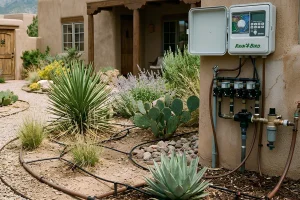
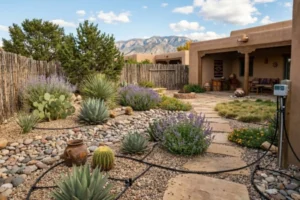
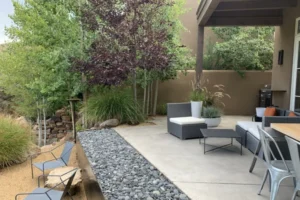
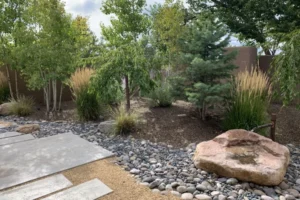
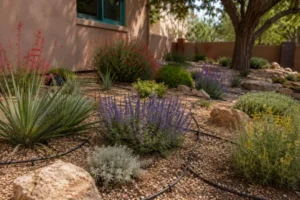
Xeriscaping replaces traditional grass with drought-resistant plants, reducing water use and maintenance costs. In Santa Fe’s arid climate, this sustainable approach conserves resources, enhances curb appeal, and creates landscapes that thrive in heat while benefiting the environment.
Professional vs. DIY Seasonal Lawn Care for Santa Fe Homeowners
Balancing DIY tasks with professional expertise ensures a healthy lawn. A tailored lawn maintenance schedule helps homeowners decide what to manage themselves and when to seek expert intervention to ensure lasting results.
What Homeowners Can Handle vs. When to Hire Professionals
Maintaining a lush, vibrant lawn can feel overwhelming, but understanding what you can tackle yourself and when to call in the experts makes a big difference. You can handle basic mowing, watering, and fertilization. However, for complex issues like pest control, soil testing, or landscaping design, hiring a professional guarantees you get the best results for your lawn.
Seasonal Lawn Care Mistakes That Cost Santa Fe Homeowners
Seasonal lawn care requires precision. Common mistakes like overwatering, improper fertilization, or ignoring climate-specific practices can weaken grass, waste resources, and reduce resilience. Avoiding these pitfalls ensures healthier, more sustainable lawns year-round.
Overwatering and Improper Fertilization in a Dry Climate
Overwatering and improper fertilization can wreak havoc on your lawn. Too much water encourages shallow roots, making your grass more susceptible to drought and pests. Likewise, over-fertilizing can burn your lawn and lead to unhealthy growth. Stick to a proper watering schedule and use slow-release fertilizers to maintain a vibrant, resilient lawn without the costly mistakes.
FAQs: Seasonal Lawn Care Questions from Santa Fe Homeowners
1. How often should I water my lawn each season in Santa Fe?
Water twice weekly in spring, three times weekly in summer, reduce in fall, and water only as needed during winter, depending on rainfall.
2. When should I start my spring lawn care schedule?
Begin spring lawn care when daytime temperatures consistently reach 50°F, usually mid-March. Start cleanup, apply pre-emergent herbicides, fertilize, and adjust timing if late frosts threaten growth.
3. What grass types perform best in high-desert climates?
Warm-season grasses like Bermuda and Zoysia thrive in heat, while fescues are better suited to cooler areas. Always choose drought-resistant varieties adapted to Santa Fe’s high-desert environment for lasting lawn health.
4. Can I maintain a lawn under local water restrictions?
Yes, deep, infrequent watering during off-peak hours, mulch to retain moisture, drought-resistant grasses, and regular aeration promote deeper roots, helping lawns stay healthy despite Santa Fe’s water restrictions.
Final Thoughts on Seasonal Lawn Care
In Santa Fe’s high-desert climate, seasonal lawn care requires precision and adaptation. From soil testing to drought management, each step builds resilience. Choosing drought-resistant grasses, avoiding common mistakes, and balancing DIY with professional help ensures lawns flourish year-round, saving time, conserving water, and enhancing curb appeal.
Trust the local experts at Evergreen Landscape Pros for professional, water-efficient lawn care designed for Santa Fe’s high-desert conditions. Request your free estimate today.