Skip to content
When planning a backyard upgrade, many homeowners hear the terms hardscape and landscape but aren’t always sure what they mean. Understanding the difference between landscape and hardscape is one of the first steps in creating a yard that feels balanced, functional, and visually appealing.
Hardscape features like patios, walkways, and retaining walls provide structure, while landscape elements such as plants, lawns, and trees add life and natural beauty. The key to great outdoor spaces is thoughtful hardscaping and landscape design that combines the two elements. In this guide, we’ll explain the hardscape and landscape differences and how they work together in modern yard planning.
Let’s take a closer look at these important differences and how to incorporate both efficiently into your yard with the help of local landscape and hardscape pros!
Hardscape vs. Landscape: What Each Element Means in Yard Design

When planning your hardscape and landscape design, understanding hardscape is essential. Hardscaping refers to the non plant elements, such as patios, walkways, and walls, that provide structure and function in your outdoor space. Knowing how to incorporate hardscape effectively can enhance both the aesthetic and practicality of your yard.
What Is Hardscape in Outdoor Design
Hardscape refers to the non‑plant elements that bring structure and usability to outdoor spaces. Features like patios, walkways, and retaining walls define areas and complement natural landscaping. Understanding the difference between hardscape vs. landscape helps homeowners and designers balance functionality with beauty. Together, these elements create outdoor environments that are both practical and visually appealing, ensuring spaces feel complete and inviting for everyday living or entertaining.
What Is Landscape in Yard Design
Landscape design highlights living elements that bring vibrancy and balance to outdoor spaces. Lawns, trees, shrubs, and flowers enhance aesthetics while supporting ecological health. These features improve air quality, promote biodiversity, and provide habitats for wildlife. Seasonal garden beds add color, while efficient irrigation ensures sustainability. Thoughtful landscaping creates welcoming, functional, and environmentally friendly yards that enhance curb appeal and enrich everyday outdoor living.
The Difference Between Landscape and Hardscape in Practical Design
Outdoor design thrives on balance. Hardscaping vs. landscaping defines how structure and nature interact, shaping usability and beauty. Recognizing the difference between these two common elements helps create inviting, functional spaces that bring durability along with vibrant living elements.
Structural Features vs. Living Elements
Hardscape provides structure through patios, walkways, and walls, ensuring durability and usability. Landscape introduces life with plants, trees, and greenery, enhancing aesthetics. Balancing these elements creates outdoor spaces that are both functional and visually appealing, offering homeowners environments that feel complete, harmonious, and welcoming for everyday enjoyment or entertaining.
Maintenance and Longevity Differences
Hardscape materials like stone and concrete require minimal upkeep, offering long lasting durability. Landscape elements demand ongoing care, watering, pruning, and seasonal planting. Recognizing these hardscaping and landscaping differences helps homeowners plan balanced hardscaping and landscaping that thrives over time, combining low maintenance structural features with vibrant greenery for outdoor spaces that remain attractive, resilient, and sustainable across seasons.
How Hardscape and Landscape Design Work Together in Modern Yard Planning
Modern yard planning blends structure and nature. Hardscape vs. landscape highlights how built features and greenery interact. By understanding the difference between landscape and hardscape, homeowners can design inviting outdoor spaces that balance durability, beauty, and long term usability.
Creating Functional Outdoor Living Areas
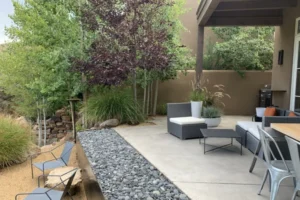
Mixing hardscape and landscape elements creates outdoor living areas that feel both practical and inviting. Patios, decks, and walkways provide structure, while gardens and trees add vibrancy. Thoughtful design ensures seating areas are comfortable, accessible, and visually appealing. This balance fosters relaxation, entertainment, and connection to nature, maximizing your yard’s potential as a welcoming extension of your home.
Designing Flow Between Yard Spaces
Seamless flow between yard spaces transforms outdoor areas into cohesive retreats. Hardscaping features such as patios or fire pits paired with greenery to enhance connectivity. Pathways guide movement, while borders and plant groupings create visual harmony. Seating areas nestled among plants invite relaxation. This thoughtful integration ensures your yard feels unified, functional, and inviting, encouraging more time spent outdoors.
Popular Hardscape Features Used in Residential Yard Design
Hardscaping features such as patios, walkways, and retaining walls provide durability and usability while enhancing aesthetics. Thoughtful integration creates inviting outdoor spaces perfect for relaxation and gatherings.
Patios and Outdoor Seating Areas
Patios and seating areas add structure and usability to outdoor spaces. Built with durable materials like stone or concrete, they create inviting spots for relaxation and social gatherings. Walkways and retaining walls can complement patios, guiding movement and adding style. Together, these features transform yards into cohesive retreats, blending functionality with comfort for everyday enjoyment and entertainment.
Walkways and Retaining Walls
Walkways and retaining walls enhance both accessibility and structure in yard design. Walkways guide guests seamlessly through outdoor spaces, while retaining walls manage slopes, prevent erosion, and add depth. Using durable materials like stone or pavers ensures longevity. Incorporating plants or lighting elevates aesthetics, creating outdoor areas that feel safe, stylish, and welcoming for relaxation, entertainment, and everyday use.
Landscape Elements That Add Life and Natural Beauty
Lawn areas and ground covers play an essential role in enhancing your yard’s natural beauty. They not only provide a lush, vibrant look but also create a soft texture that invites you to enjoy your outdoor space. By choosing the right types of grass and ground cover plants, you can transform your yard into a lively oasis.
Lawn Areas and Ground Covers
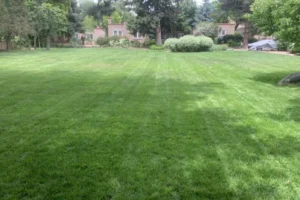
Lawn areas provide soft, inviting surfaces for relaxation and play, while ground covers like clover or thyme add texture and color. These elements enhance aesthetics, improve soil health, and reduce erosion. Pairing grass with low maintenance ground covers complements trees and garden beds, creating harmony. Choosing the right plants defines open areas, minimizes upkeep, and ensures your yard remains vibrant, sustainable, and visually appealing throughout the seasons.
Trees, Plants, and Garden Beds
Trees, plants, and garden beds bring depth, shade, and color to outdoor spaces. Native plants thrive with less maintenance, while layered designs add interest and privacy. Tall trees provide background, shrubs add structure, and perennials deliver seasonal vibrancy. Strategic placement enhances curb appeal and usability, creating inviting areas for relaxation. Together, these living elements elevate landscapes, making yards more welcoming, sustainable, and visually dynamic.
How to Plan the Right Hardscape and Landscape Balance

Balancing hardscape and landscape begins with lifestyle needs and practical considerations. Thoughtful planning ensures outdoor spaces remain functional, beautiful, and sustainable, that provide durable structures with vibrant greenery for long‑term enjoyment.
Start With Your Outdoor Lifestyle Needs
Your outdoor lifestyle dictates design priorities. If you host gatherings, patios and seating areas should take center stage. For gardening enthusiasts, flower beds and greenery become essential. Relaxation spaces may emphasize lawns or shaded retreats. By tailoring hardscape and landscape elements to your activities, you create a functional, inviting yard that reflects your lifestyle while maximizing usability and enjoyment for years to come.
Consider Drainage, Materials, and Plant Selection
Durability and sustainability depend on smart choices. Hardscape materials like stone or concrete resist wear, while plants suited to your climate thrive with less maintenance. Proper drainage prevents pooling and erosion, ensuring long term stability. Thoughtful plant selection adds vibrancy and ecological balance. By aligning materials, water management, and greenery, you create outdoor spaces that remain functional, attractive, and resilient across seasons, seamlessly blending structure with natural beauty.
Cost and Maintenance Considerations for Hardscape and Landscape
Balancing cost and upkeep is essential in outdoor design. Hardscaping vs. landscaping differ in installation costs and long term maintenance, influencing both the budget and sustainability.
Installation Cost Differences
Hardscaping features like patios or retaining walls often require a higher upfront investment due to materials and labor costs. Landscaping, with plants and soil, is typically cheaper up front but requires ongoing care. Understanding these hardscaping and landscaping cost differences helps homeowners plan budgets wisely, balancing immediate expenses with future upkeep to achieve outdoor spaces that remain functional, attractive, and financially sustainable over time.
Long-Term Maintenance Needs
Hardscape elements such as stone patios or walkways need minimal upkeep, but occasional repairs can be costly. Landscaping requires consistent care, watering, pruning, and fertilizing, to thrive. Recognizing these differences ensures balanced planning. Combining durable hardscaping with well‑maintained landscape creates outdoor spaces that remain inviting, resilient, and sustainable, offering beauty and usability year-round without overwhelming maintenance demands.
Common Homeowner Mistakes When Combining Hardscape and Landscape
Design mistakes often stem from imbalance. Overusing hard surfaces or ignoring drainage and plant growth can compromise aesthetics, functionality, and sustainability in outdoor spaces.
Overusing Hard Surfaces
Excessive hardscaping can make yards feel stark and lifeless, limiting the warmth and vibrancy of greenery. Dominance by concrete or stone restricts drainage and plant growth. Balancing hardscape with trees, shrubs, and flowers softens spaces, creating inviting environments. Thoughtful integration ensures outdoor areas remain functional, visually appealing, and welcoming; it is the best way to mix durability with natural beauty for a harmonious design.
Ignoring Drainage and Plant Growth
Neglecting drainage and plant placement leads to water pooling, erosion, and unhealthy greenery. Poor planning can overcrowd walkways, hinder movement, and damage hardscape. Incorporating proper water flow solutions and strategic plant positioning ensures balance. This approach enhances aesthetics, supports healthy growth, and protects structures, creating outdoor spaces that remain vibrant, functional, and sustainable over time.
Final Thoughts on Hardscape and Landscape Considerations
The importance of the hardscape vs landscape balance cannot be overstated. It is essential when designing an outdoor space that looks great and works for everyday life. By recognizing the difference between landscape and hardscape, homeowners can create yards that mix durable features with natural beauty. Working with Local landscape and hardscape pros can help ensure your yard looks its absolute best, no matter what elements you choose to include.
A well planned hardscape and landscape design improves functionality, enhances curb appeal, and helps prevent common problems like drainage issues or overcrowded plant growth. If you’re ready to improve your outdoor space with patios, walkways, retaining walls, or a full yard redesign, our team of professionals is here to help. Schedule your consultation today and start building a landscape that truly works for your home.
Whether you need patios, walkways, or a complete yard redesign, Evergreen Landscape Pros is here to help. Schedule your consultation today.
FAQs About Hardscape vs. Landscape
You might be wondering what sets hardscape apart from landscape in yard design. Is that patio you love considered hardscape? Let’s explore these questions and more to clarify the differences and costs involved.
1. What is the difference between landscape and hardscape?
The difference between landscape and hardscaping lies in the presence of living versus non living elements. Landscape includes plants and greenery, while hardscape covers patios, walkways, and walls, balancing beauty with structure.
2. Is a patio considered hardscape?
A patio is considered hardscape because it’s a non living feature built from stone, brick, or concrete. It provides a functional outdoor living space, in contrast to landscape elements such as plants and grass.
3. Which is more expensive, hardscape or landscaping?
Hardscaping is generally more expensive than landscaping due to the material and labor costs of patios, walkways, and walls. Landscaping uses plants and soil, often cheaper initially but require ongoing maintenance.
4. Why do modern yard designs combine hardscape and landscape?
Modern yard designs bring together hardscape and landscape elements to balance durability with natural beauty. Patios and walkways add structure, while plants bring vibrancy, creating functional, inviting spaces that suit diverse lifestyle needs.